
Merrick, Long Island - a Hamlet With a Nautical Flavor
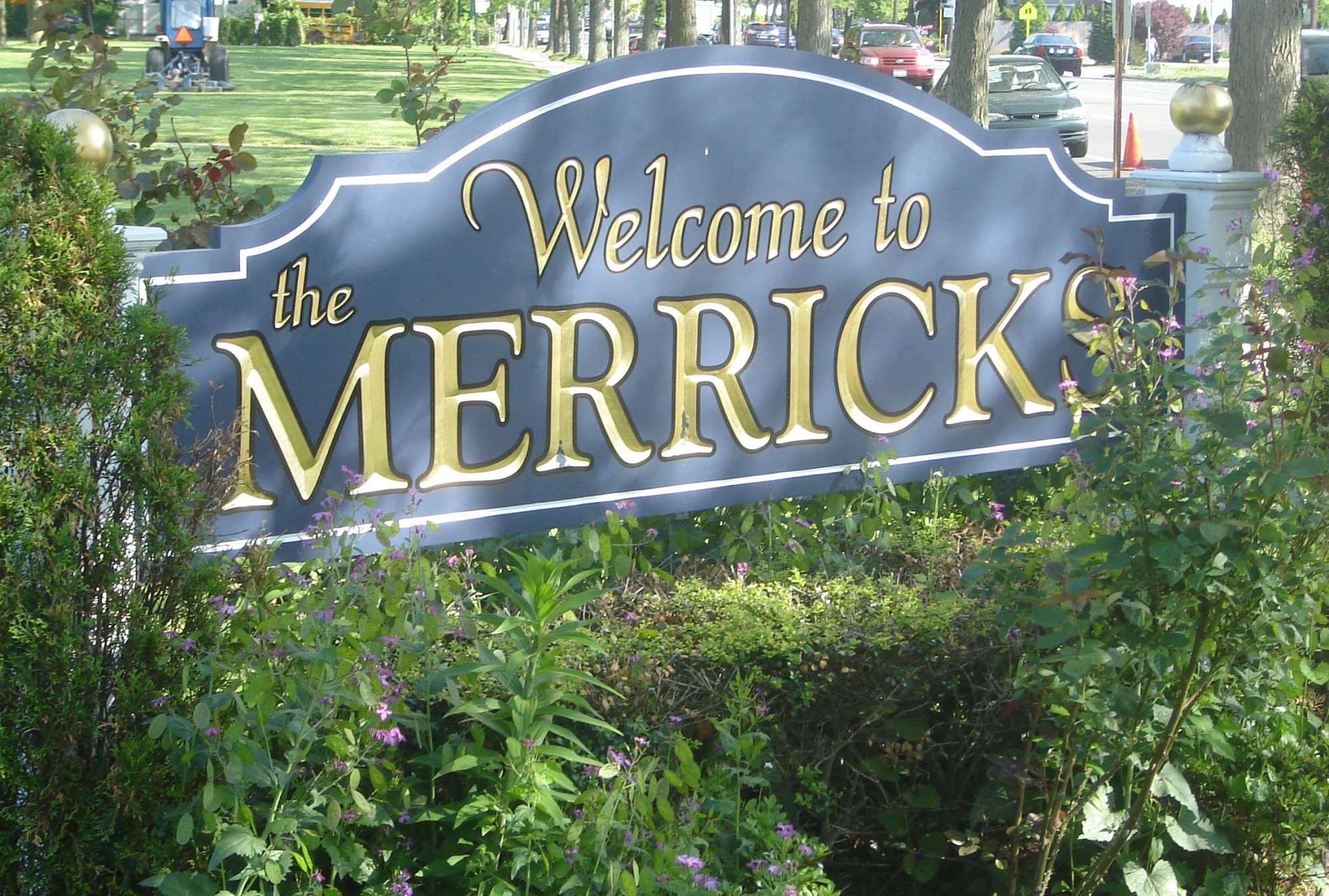 Located in south end of Nassau County convenient to public transportation and major highways. Merrick is also close to many south shore beaches.
Home to Norman J. Levy Park and Preserve. This award-winning Town of Hempstead 52 acre preserve serves as a plant and wildlife sanctuary, as well as a tranquil respite for residents. The preserve also features a herd of Nigerian dwarf goats, which the town employs as an ecologically sensitive method of controlling weed and brush overgrowth. Several years ago, Hempstead Town added a flock of Guinea fowl, turkey-sized birds, as an environmentally friendly alternative to insecticides in the control of ticks at the preserve.
- A fully operational agricultural windmill
- Kayak launch and tours into the original Meadow Brook
- Three miles of hiking and jogging trails with 18 exercise stations along the trails.
- Herd of dwarf goats, turtles, snakes, foxes, butterfly gardens and tons of different species of birds.
- 500-foot fishing pier into Merrick Bay
The preserve's highest point of 115 feet produces tremendous views of the Jones Beach Tower, the New York City skyline and numerous coastal treasures.
Merrick has no shortage of restaurants; Anchor Down seafood restaurant, Santorini Greek Restaurant, Pastrami King, and SALT seafood restaurant just to name a few.
Town History
The word Merrick comes from the name of the Meroke Indians, a branch of the Algonquins. The Merokes lived in this area before English settlers arrived in the 1640s. During the colonial period, Merrick became a trading center because vessels could enter Jones Inlet and sail up deep channels to docks beside what is now Merrick Road.
Merrick Gables house.
The first large real-estate development came to Merrick after World War I, known as the Merrick Gables. The Gables houses were erected on farmland between Sunrise Highway and the bay, east of Merrick Avenue and were heavily influenced by California architecture, a craze that was sweeping across the country. The Gables homes were of Spanish-style design, consisting of stucco, light concrete walls, turrets and steel frame windows. These houses were just perfect for the movies stars who wanted the space to entertain. Errol Flynn and Ed Begley, Sr are the most recognizable homeowners of that era. Many Gable homes still exist south of Merrick Road.

|
 |
